What Does Leaping Bunny Certified Mean? A Cruelty-Free Skincare Guide
October 20, 2026
By Aimee Werner
Share on


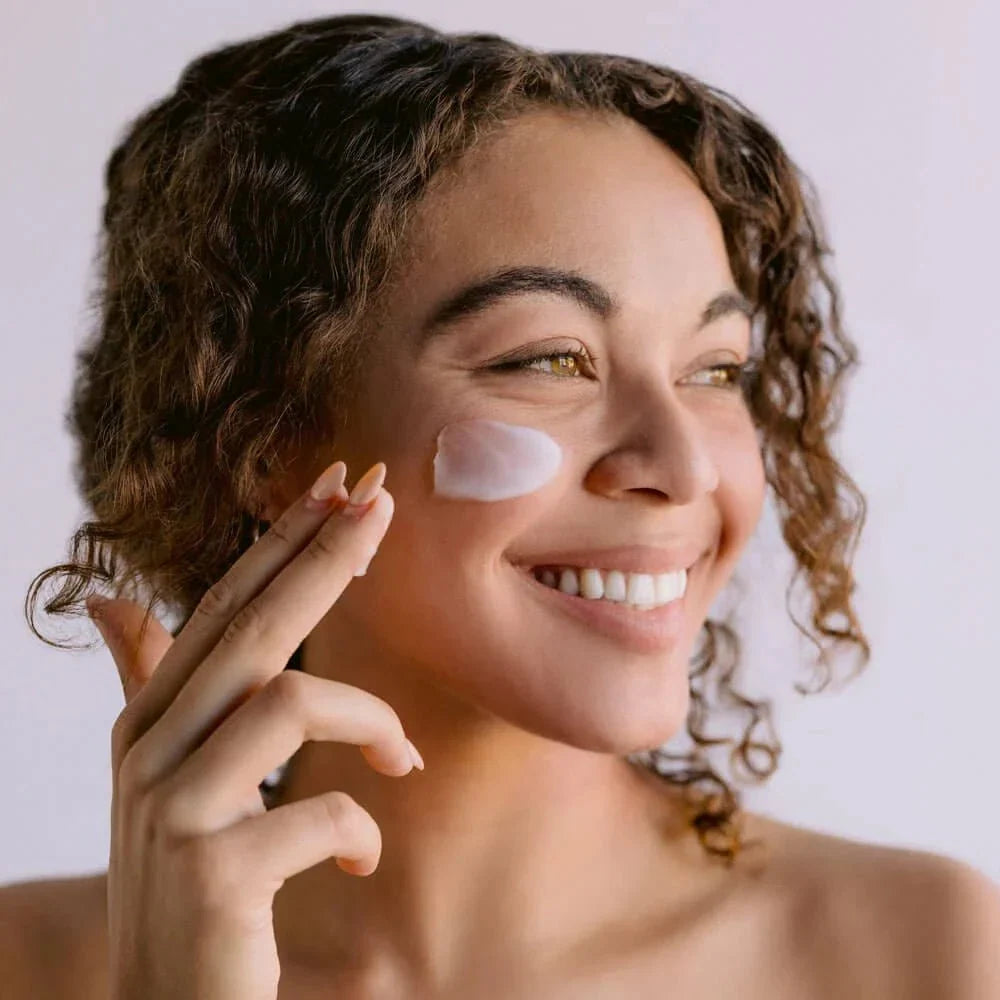
We tend to pause when a little bunny shows up on a skincare label. Some of those bunnies come from formal certification programs. Others are friendly graphics with no outside review behind them, and the difference matters when we want our routines to match our values.
More people now ask what goes into the face creams, body scrubs, and lip balms they use every day, and how brands made them. We think clear answers make those choices feel calm instead of confusing.
This guide walks through what Leaping Bunny certified means, what cruelty-free means in skincare, how the two main programs compare, and how to build a simple routine with cruelty-free picks.
What Does Leaping Bunny Certified Mean?
Here's the short version. Leaping Bunny certification tells us that a brand and its suppliers do not conduct or commission new animal testing at any stage of making a product.
Cruelty Free International leads the program worldwide. In the US and Canada, the Coalition for Consumer Information on Cosmetics (CCIC) runs it. The two groups share one standard for personal care and household brands.

That standard rules out new animal tests in three places:
-
Ingredients: The raw materials that go into a formula.
-
Formulas: The blended product during development.
-
Finished products: The final item before it reaches a store shelf.
Why look beyond the brand? Most companies buy their ingredients from outside manufacturers. If a brand skipped testing while its suppliers kept testing, the promise would mean little. So Leaping Bunny asks brands to confirm supplier practices too.
How a Brand Earns their Leaping Bunny Logo
A brand goes through several steps before the logo appears on its packaging. The work continues after approval.
-
Supplier monitoring system: The brand gathers written declarations from each ingredient supplier and keeps them up to date.
-
Fixed cut-off date: The brand picks a date, and no new animal testing on its ingredients or products can happen after it.
-
Independent audits: Outside auditors review the brand's records to confirm the system works the way the brand says it does.
-
Yearly recommitment: The brand renews its pledge every year to keep the certification.
For a fast check, the searchable Leaping Bunny list lets us look up a brand from home or from the store aisle.
What Cruelty-Free Means in Skincare and What It Doesn't
"Cruelty-free" shows up on a lot of packaging. It sounds simple. Its meaning shifts depending on who prints it.
The US has no legal definition for the term, and the FDA doesn't regulate it. Any brand can put "cruelty-free" on a label without anyone outside the company checking.
That leaves a gap between marketing claims and third-party certification. A brand's own claim may reflect honest practices. Certification adds written criteria and an outside party that checks them, which gives us something firmer to go on.
Cruelty-Free vs. Vegan: Not the Same Thing
People often use these words together, though they answer different questions. Cruelty-free is about animal testing. Vegan is about what sits inside the formula.
A few animal-derived ingredients turn up often in beauty products:
-
Beeswax: Common in lip balms and thick balms.
-
Lanolin: A wax from sheep's wool, found in many lip and hand products.
-
Carmine: A red pigment made from insects, used in some tinted formulas.
So a product can be one, both, or neither. A beeswax lip balm from a brand that never tests on animals is cruelty-free but not vegan. A fully plant-based formula from a brand that tests is vegan but not cruelty-free.
Leaping Bunny vs. PETA: How the Two Programs Compare
Two bunny logos show up more than any others in beauty: Leaping Bunny and PETA. Both point shoppers toward brands that skip animal testing. They confirm that in different ways.
PETA's Beauty Without Bunnies program asks a brand to sign a statement of assurance. In it, the brand confirms that it and its suppliers don't test on animals. PETA accepts the signed statement and does not require outside audits.
Leaping Bunny asks for more paperwork. Brands keep a supplier monitoring system and agree to independent audits, which adds a second set of eyes.
Their focus differs too:
-
PETA: Offers a cruelty-free logo plus a separate cruelty-free and vegan logo.
-
Leaping Bunny: Looks at animal testing only and doesn't certify ingredients as vegan.
Is Leaping Bunny Certification Trustworthy?
Many shoppers treat Leaping Bunny as a dependable reference. Audits and supplier checks give it follow-through that a self-reported claim doesn't have.

It has limits. Leaping Bunny certifies individual brands, so a certified brand can belong to a parent company that tests on animals in other parts of its business. Some people feel fine about that. Others would rather avoid it.
We like to pair the logo with our own label reading. Certification answers the testing question. A quick look at the ingredient list and the brand's ownership covers the rest.
How To Check If a Product Is Cruelty-Free
After a few tries, checking a product takes about a minute. These steps keep it simple.
-
Compare logos: Official Leaping Bunny and PETA logos follow set designs. Look-alike bunny graphics carry no certification.
-
Search the databases: Leaping Bunny and PETA both keep online lists of approved brands.
-
Read brand FAQ pages: Many brands spell out their testing policy and certification status there.
-
Check parent companies: A short online search shows who owns a brand.
-
Look at retail markets: Some countries have required animal testing for certain imported cosmetics, so where a brand sells tells us something too.
Building a Cruelty-Free Skincare and Body Care Routine
Cruelty-free products fit into the steps most of us already follow: cleanse, exfoliate, moisturize. After we check a brand's policy, we can fill each step with products we feel good about.
Right after a shower is a favorite time for body care. Skin feels warm, and a gentle scrub followed by a rich moisturizer feels easy. Pair a Body Scrub with Body Butter. The scrub helps skin feel smoother, and the body butter leaves it feeling softer and more comfortable once we towel off.
We change how we use the pair with the seasons:
-
Winter: Cold air and indoor heating make a generous layer of body butter after each shower feel right.
-
Summer: Warm days call for a thinner layer of body butter and a regular scrub before shaving or self-tan.
Before adding any brand to a routine, ours included, we suggest reading its FAQ page for its current cruelty-free policy and certification details.
Frequently Asked Questions
Is Leaping Bunny stricter than PETA?
Many shoppers see Leaping Bunny as stricter because it requires supplier monitoring and independent audits, while PETA accepts signed statements.
Does Leaping Bunny certified mean it's vegan?
No, Leaping Bunny sets a testing standard only and doesn't certify ingredients as vegan.
Can a cruelty-free brand be owned by a parent company that tests on animals?
Yes, and that's why some shoppers check who owns a brand along with its logo.
Choosing Cruelty-Free With Confidence
Leaping Bunny certified means a brand and its suppliers avoid new animal testing, and supplier monitoring, independent audits, and yearly recommitment back that up. In a category where "cruelty-free" has no legal definition, that standard gives us a clear place to start.

Label checks don't have to feel like homework. Look for the official logo, search the database, read the brand's FAQ page. Do it a few times and it becomes routine.

October 20, 2026
By Aimee Werner
Share on
Popular Products


Trending Topics
SkinCare Products That Dermatologists Actually Recommend
September 25, 2025
Ingredients to Avoid in Skincare and What to Look for Instead
July 16, 2026
Best Self Tanners to Try in 2026: Clean, Streak‑Free Picks for Every Skin Tone
February 17, 2026
Skincare Gift Sets: The Ultimate Guide to Perfect Skincare Gifts
August 28, 2025
SIGN UP FOR OUR WHISHLIST
Subscribe with email and get 10% off on your first order