
Coffee Extract vs. Caffeine: What’s the Difference?
When people think about coffee in skin care, they usually think about caffeine, but the two aren’t quite the same thing. Coffee extract comes from the seeds of the coffee plant, which are the beans we know so well, and on an ingredient label it appears as coffea arabica (coffee) seed extract. Caffeine is one of the compounds inside it, alongside polyphenols such as chlorogenic acid, a plant antioxidant that gives the extract much of its protective character.

This is why you’ll sometimes see both ingredients on the same label. Our Revitalizing Eye Cream, for instance, lists coffee seed extract and caffeine separately, so that the antioxidant side of coffee and the de-puffing side of caffeine can each play their part in the formula.
What Coffee Extract Can (and Can’t) Do for Skin
Coffee extract has two main strengths. The first is antioxidant support. The polyphenols in coffee, chlorogenic acid among them, help neutralize the free radicals that skin meets every day through sun, pollution, and general environmental stress, which is why coffee turns up in formulas built to protect and refresh the skin.
The second strength comes from caffeine, which constricts blood vessels. When it’s applied to the skin, that can temporarily reduce the look of minor puffiness and redness, and the effect tends to be most noticeable under the eyes, where tired skin shows first. It’s a big part of why caffeine has become such a familiar name in eye care.
It’s worth being honest about the limits, because they’re part of using this ingredient well. The effects of coffee extract are temporary and fairly modest, and they fade when you stop using the product. Caffeine also can’t change under-eye bags that come from genetics or facial structure. Ingredients such as vitamin C and niacinamide have a stronger track record for long-term results, which is exactly why coffee extract works best as a supporting ingredient rather than the star of the formula. You’ll usually find it sitting alongside them, adding antioxidant support and a fresher look while the other ingredients work on the longer game.

Where You’ll Find Coffee Extract in the Whish Range
Coffee extract appears in six Whish formulas, and in every one of them it’s paired with ingredients that do the heavier lifting.
You’ll find it in the Super Cream with Bakuchiol, where it works with bakuchiol and niacinamide in a rich moisturizer designed to go beyond the face, onto the neck, hands, and body. It’s also in the Revitalizing Eye Cream with Bakuchiol, which combines coffee seed extract and caffeine with niacinamide and ceramide to help reduce the look of dark circles and puffiness. If you’re comparing eye creams, our guide to the best eye cream for dark circles walks through what to look for.
The same care extends to the neck. The Neck Firming Complex with Bakuchiol includes coffee seed extract alongside bakuchiol, hyaluronic acid, and niacinamide, in a formula made for the neck, jawline, and chin. For the evening, the Overnight Sleep Mask with Bakuchiol pairs coffee seed extract with aloe and rose hip oil in a treatment you leave on while you sleep.
Coffee extract also makes its way into body care. The Shower Oil with Bakuchiol uses it together with vitamin E to bring antioxidant support into your shower routine, and the Self Tanner Lotion combines it with seaweed extract in a smoothing blend. To explore more, browse the eye treatment and body firming collections.
How to Get the Most From Coffee-Infused Skin Care
A few simple habits make coffee extract work harder for you. Because its de-puffing effect is temporary, a morning application is a natural fit if you want your skin to look fresh and awake for the day ahead. When you’re using the eye cream, smooth it over the upper eyelid with a clean fingertip, dot a little below the eye, and blend outward toward the hairline, patting gently rather than rubbing, since the skin here is so delicate.
Coffee extract also layers happily with the ingredients that complement it. It brings antioxidant support, while vitamin C and niacinamide take care of brightening and long-term skin health, so using them together gives you the best of each. As a general rule, apply products from the lightest texture to the richest so every layer has a chance to absorb.

As with any new product, it’s sensible to patch test on a small area first, especially before using something new around the eyes. And be patient. You may notice a fresher look fairly quickly, but changes in texture and fine lines build gradually, over several weeks of consistent use.

Revitalizing Eye Cream with Bakuchiol - New and Improved!
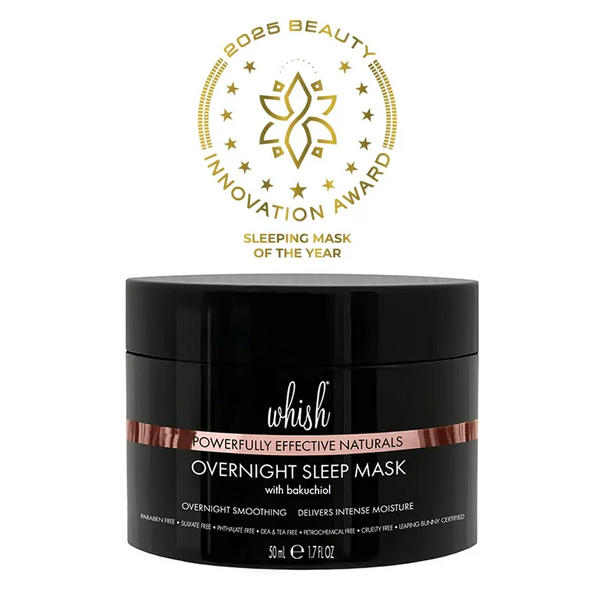
NEW & IMPROVED! Overnight Sleep Mask with Bakuchiol

Coconut Milk+Verbena - Coconut Self Tanner Lotion

NEW! Spring Lilac + Vanilla Self Tanner Lotion
